ANIMEMON Team Building and Battle Strategy
Turn a box of Animemons into a dream team that wins turns on purpose.
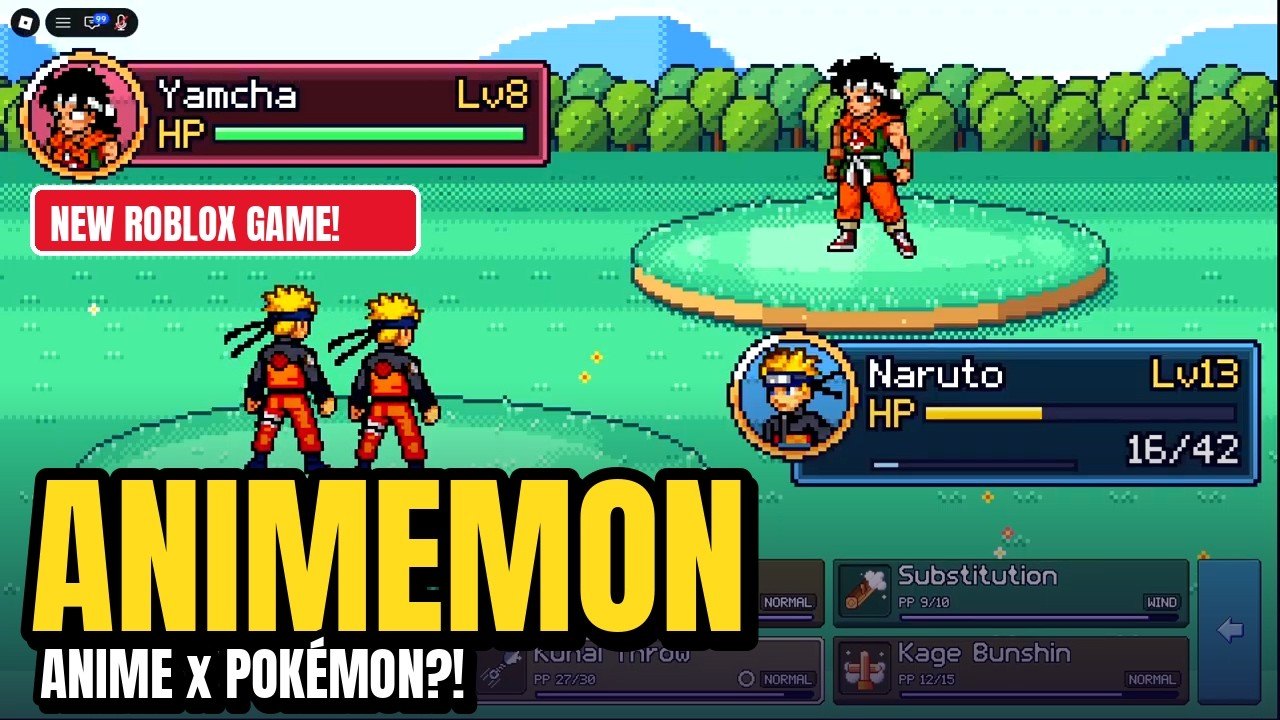
A full box means nothing if your active party collapses to the first tough trainer. This team building guide for ANIMEMON shows how to assign roles, cover weaknesses, and plan turns in Rendroide Games’ Roblox turn-based RPG. Use it after you understand Getting Started, Capture, and Evolve and Train.
Dream team goals
ANIMEMON’s fantasy is explicit: capture, battle, train, evolve, unlock abilities, and assemble a dream team. That team should:
- Clear story and trainer content without constant fainting
- Keep at least one safe lead for awkward wild spawns
- Hold space for a prestige catch without breaking synergy
- Adapt after patches tracked on Updates
You do not need every S-tier legendary on day one. You need coherent roles.
Core roles that travel well
Lead
Starts most fights. Wants reliable speed, defensive utility, or setup tools. A good lead prevents lost turns against surprise types.
Sweeper
Converts advantages into knockouts. Often an evolved A-tier attacker from the Animemons tier list.
Pivot / tank
Absorbs hits when predictions fail. Lets you switch without donating free damage.
Coverage flex
Hits the types your sweeper fears. Sometimes a rare catch kept specifically for one stubborn gym-like fight.
Support
Heals, statuses, or enables captures. Underrated while people chase raw attack stats.
Trophy / closer
Your legendary or showpiece rare when available (Legendaries). Until then, a second strong A-tier works.
Mid-article gameplay overview video
The embedded overview video gives a feel for battle pacing and party presentation in live ANIMEMON sessions. Watch how creators switch under pressure and when they commit to all-out offense versus careful chip. Translate those habits into the role framework above instead of cloning someone else’s exact box.
Building coverage without a complete type chart memo
Even before you memorize every matchup:
- Avoid three teammates sharing the same obvious weakness.
- Bring one move or one Animemon that answers your lead’s worst foe.
- Test new routes with a cheap wild battle before wagering scarce items.
- Update notes when November 2026 launch / patch context mentions balance changes.
Example party skeletons (role-based)
Story push: Lead (B) · Sweeper (A) · Pivot (B) · Coverage (A/B) · Support (B) · Flex (C climbing via evolution)
Rare hunting: Lead support · Chip specialist · Status support · Fast finisher (only if catch fails) · Tank · Empty slot reserved for the new catch
Balanced ladder: Mix two offensive threats, one tank, one support, two flex coverage pieces ranked A/B on the Tier List Hub.
These skeletons stay valid even while named species lists grow on the Players Hub.
Turn planning basics
- Scout — first turn information matters more than maximum damage.
- Establish — status, entry hazards equivalents, or setup if the game supports them.
- Convert — sweep when the board favors you.
- Reset — switch to the pivot rather than heroically fainting.
- Bag — enter catch mode with chip moves if the wild target is valuable.
Players who skip step five knock out the Animemon they meant to recruit.
Items and switch discipline
Healing items are part of team strength. A perfectly bred idea still fails if you never heal. Likewise, panic switching into the wrong type loses games. Practice intentional switches in low-stakes wild fights. On Mobile, slow down; mis-taps are team-building problems too.
Economy reality check
ANIMEMON is free-to-play across Desktop, Console, Mobile, and Tablet. There are still no public codes to refill your bag automatically (Codes). Team building therefore includes inventory planning: balls for captures, heals for longevity, and evolution items for the right lines only. Skip paid script fantasies — Scripts remains intentionally empty of loadstrings.
Synergy over raw rarity
A legendary that duplicates your sweeper’s typing may be a collection win and a team-building loss. Box prestige catches until you redesign roles around them. Conversely, a well-trained B-tier pivot can enable an A-tier sweeper to look “broken.” Synergy creates that illusion.
Review loop after every major session
- Which fights felt unfair?
- Which slot never got used?
- Which Animemon fainted first every time?
- Did an ability unlock change turn math?
Replace the weakest link, do not randomly replace your favorite if it still performs a unique job.
Social and competitive etiquette
In 15-player servers you may watch other trainers’ leads. Learn openly, but do not harass people for their box. Trading features — if or when expanded — should never involve account sharing. Official destinations stay on the Links Hub.
Bridging team building to the wider wiki
- Need better raw material? Capture guide.
- Need power spikes? Evolve and train guide.
- Need investment priorities? Tier list pages.
- Need prestige goals? Legendaries page.
- Need patch awareness? Updates hub.
A 90-minute team workshop
- Export a mental list of your six actives and their roles (10 min).
- Run three trainer fights; note failed matchups (30 min).
- Swap one coverage piece from the box (10 min).
- Train the new piece to a usable level (30 min).
- Retest one failed matchup (10 min).
Repeat weekly as concurrent populations churn and Rendroide ships content through late 2026.
Build patiently. ANIMEMON rewards trainers who treat the party as a system — not a museum of whatever spawned first. When roles click, battles feel fair, captures feel controlled, and the dream team stops being a slogan and starts being your lineup.
Frequently Asked Questions
Quick answers to the most common ANIMEMON questions.
How many attackers should my ANIMEMON team use?
Usually one primary sweeper and one backup offensive threat. Fill other slots with pivot, support, and coverage so you can handle bad matchups.
Should every party member be S-tier?
No. Coherent B and A roles beat a mismatched pile of rare names. Use legendaries as closers when they fit, not as mandatory clutter.
What makes a good lead?
A lead should survive surprise hits, gather information, and set the pace — not always deal the most damage on turn one.
How do I practice team building quickly?
Run short trainer tests, note which slot fails, swap one creature, train it, and retest. Small iterations beat total rebuilds.
Does platform change team strategy?
Roles stay the same. Choose the device where you misclick least during switches and catch turns.